
Ramayana - 1
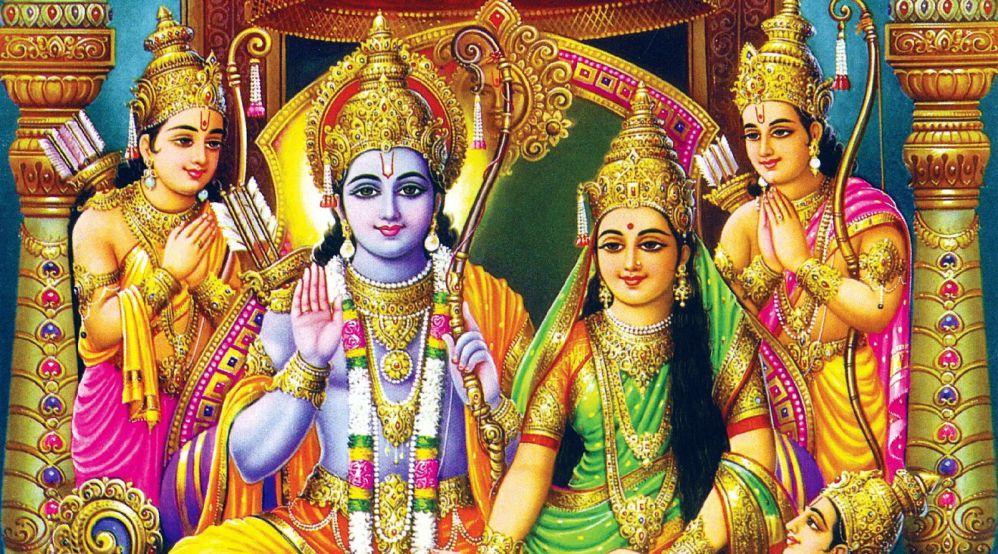
Recipients of The Ramayana can be organized into three factions:
1. Mainstream public
2. Poetic scholiasts
3. Rama abhorrents
Mainstream public: They number in the millions. These are the true devotees of Rama. For the most part, they are credulous. They believe Rama is a god, and bow to him. Entrusting their worries and hopes to him, they pray for a divine blessing. They believe that they will be redeemed by him. So believing, they live their lives. Their experiences speak of the protection they received from Rama, expand on the boons they have sustained from him, record the stories of the problems he has solved. They lose themselves in chants, dissolve their selves in a narration, float on notes of music, saturate their senses with pujas (prayer meetings), write the name of “Rama” 10 million times, name their children after him, count their prayer beads during penance.... all in all believing that Rama is everything, living that belief, and being content. They build a shrine, erect a statue, worship the god, receive the Mangalarati, bow deep in subservience, consume the tirtha, sing songs, partake the prasada, pull charriots, organize ceremonies, and spend their lives in bliss. A surpriising truth is that along with these worshippers, even the believers of the Parabramha declare that the formless, amorphous Parabramha incarnated as Rama, and distill themselves into the belief: “Shuddha Bramha paratpara Rama” (The pure Parabramha is the most illustrious Rama).
Poetic scholiasts:- These are the poetic influencers and critics. The dictums of the poet Valmiki, which let bloom this great epic has not only captured India, but held the aesthetes of the hold world in reverence! In the very first attempt, that character development; that situational pivoting; that gilded plotline; that blend of flavouring; that flow of dialogue; the easy, meandering walk on the field... how many times does it make you go “Oh!”, and how many times does it make you go “Ah!”?! The role model Rama; the mystic Bharatha; the volcanic Lakshmana; the gentle Sita; the ascetic Hanuman; the justice-seeking Vibhishan; the venerable Jambuvanta; the sinner Ravana; the dim-witted Kumbhakarna; the duplicitous Meghanada... who... who can resist the desire to appreciate them?
Rama abhorrents:- Essentially they abhor the Gods themselves. Hemming the position a bit, they also abhor Bramhins; they abhor yagna. In a sense, they are atheists. They liken themselves to Charvaka, and take pride in it. Thinking that they, alone, are intelligent, and that the rest of the world is stupid, they lament over the state of the world while they simultaneously pat themselves on the back with self-praise. They look at Ravana, Kumbhakarna, Hiranyakashipu, Shishupala... and take it on themselves to associate with such people, and project them as heroes.
However, the current generation of arguers are different from the previous ones in one important way. For some reason, the lion’s share of this bombardment is on poor (!!) Vishnu! Bramha-Shiva are comparitively more loved. Even accepting Bramha and Shiva, even counting the Trimurtis, Vishnu still gets their blood boiling, eyes red. In these times, regardless of whether the God is male, or female, they suffer a backlash. Their hatred stretches from the trident in Kali’s hand, to the Sudarshana in Vishnu’s!!
This kind of atheist found an easy, good target in Sri Rama. We don’t have any enmity with atheism. No bones to pick with Charuvaka. He was one who purely rejected claims without any evidence, as a scientific mind. He is respectable. He even has a special place in our culture. But these people pick up The Ramayana to burn it with their hatred. At this time, our opinion is this: “After your gaze has fallen on the Ramayana, if you wish to consider it as evidence for your arguments, you should analyze it completely. You need to follow the protocols of poetry. You cannot appoint yourself as a judge and pass on a verdict based on dribs and drabs of heresay.” Without listening to this request; without studying The Ramayana completely; without studying the works of great ideologists, thinkers, and scholars’ perspective of The Ramayana, they rage and rapidly fire lots of flak to the Ramayana, which results in questions upon questions in the minds of the first two groups above. For example....
(to be continued)
Comments